
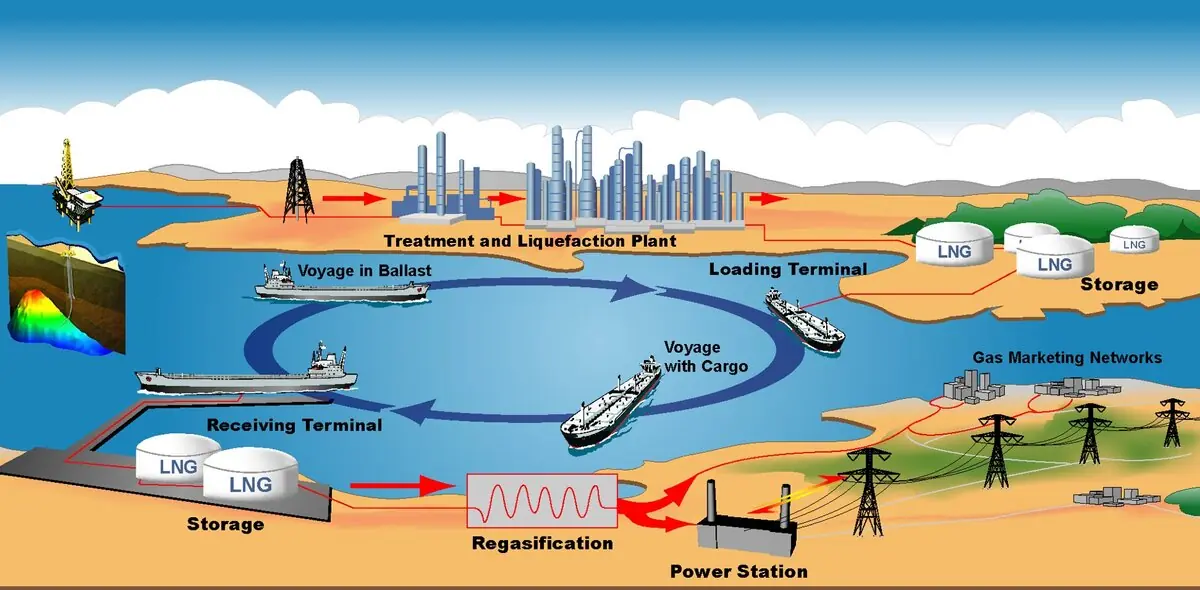
Liquefied natural gas has become the standout growth story of the energy sector. The United States went from importing LNG to being the world’s largest exporter in barely seven years, and the build-out continues: capacity in operation or under construction is set to lift exports from roughly 100 million tonnes per annum (mtpa) to around 181 mtpa when current projects are completed. If every permitted pre-FID project went ahead, close to half of today’s US natural gas production would eventually be exported. But behind the headline growth sit some real growing pains.
Why US LNG Is Competitive
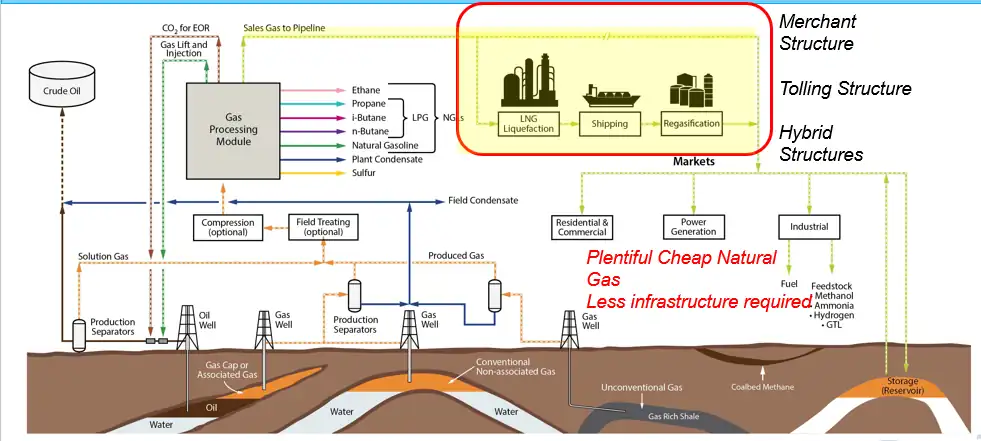
Three factors give American exporters an edge. First, facilities feed on pipeline-quality transmission gas, so there is no need to develop fields or condition raw gas — shortening schedules and cutting capital cost versus greenfield projects elsewhere. Second, domestic gas remains cheap at the major hubs. Third, some of the world’s strictest greenhouse-gas regulations make US cargoes more palatable to European and Asian buyers watching their emissions footprint.
The Headwinds
The challenges are stacking up, though:
• Cost overruns. One flagship Gulf Coast project has grown from an original $9-plus billion estimate to roughly $11.6 billion, with its lead contractor exiting mid-build; another facility is reported billions over budget. Engineering and construction contracts for new plants rose 18–25% in just a few years.
• A tight skilled-labour market. Multiple mega-projects compete for the same Gulf Coast trades, and experienced LNG operators are scarce in such a young industry.
• Contract renegotiations. Several developers are seeking to lift liquefaction fees from the typical $2.25/MMBtu toward $4/MMBtu or more to cover rising construction and financing costs.
• Tariffs and materials. Steel and aluminium duties add fresh uncertainty to equipment pricing, with vendors adding contingency clauses to quotes.
• A tightening domestic gas market. Once plants under construction start up, the US could be exporting about a quarter of its gas production — while data centres and industry push demand up at the same time.
Scale Worth Remembering
To grasp why overruns happen, consider what one 15 mtpa complex involves: some 300 km of installed pipe, thousands of kilometres of electrical cable, tens of thousands of tonnes of structural steel and enormous concrete pours. These are among the largest industrial projects ever built.
Power Equipment in the LNG Build-Out
Every stage of that build-out — construction camps, liquefaction trains, storage and terminal operations — depends on reliable power, from prime gen-sets on remote sites to standby systems protecting critical loads. Schedule pressure makes downtime especially costly.
Feblet Technologies supplies diesel generators with Perkins, Cummins and Volvo engines, along with genuine parts and international logistics support, to energy and industrial customers worldwide. Get in touch to discuss power for your next project phase.