
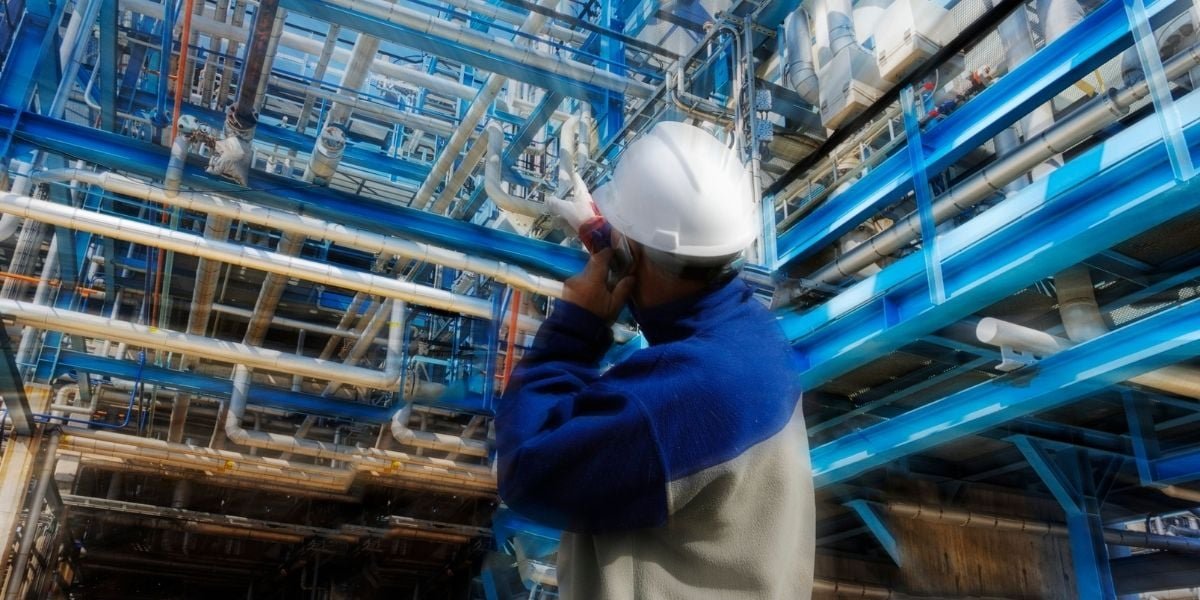
The oil and gas industry in 2026 looks very different from even a few years ago. Ten forces are doing most of the reshaping: the energy transition, digitalisation, automation, sustainability expectations, geopolitics, supply chain resilience, smarter drilling technology, tighter regulation, the rise of natural gas and growing renewable investment. Operators that combine conventional production with cleaner technology and real-time data are the ones pulling ahead. Here is our take on each trend and what it means for the industry.
1. Energy Transition and Decarbonisation
The move away from high-carbon production has become the industry’s central strategic question. Operators are channelling capital into carbon capture and storage (CCS), adding wind and solar to their portfolios, and setting harder energy-efficiency targets across drilling and production. The companies that treat decarbonisation as an opportunity rather than a burden are finding sustainable profitability while the energy mix changes underneath them.
2. Digital Transformation

AI, IoT sensors and big data have moved from pilot projects to everyday tools. Predictive maintenance is cutting unplanned downtime, AI-assisted seismic analysis is sharpening exploration accuracy, and real-time asset monitoring is helping crews squeeze more from existing equipment. The payoff is lower operating costs, longer asset life and faster decisions — both on the rig and in the office.
3. Automation and Robotics
Automated drilling platforms are improving speed and precision while keeping people out of harm’s way. Robots now handle inspections and repairs on offshore platforms and in refineries, where manual work is risky or expensive. The result is fewer human errors, better safety records and lower operating costs in hazardous environments.
4. A Harder Focus on Sustainability
Sustainability has shifted from a talking point to a requirement. Investors and customers increasingly expect measurable emission cuts, renewable projects such as green hydrogen, and zero-emission drilling initiatives — usually tracked through formal ESG reporting. Companies building these commitments into their business models are protecting their licence to operate and their access to capital.
5. Geopolitical Influences

Regional instability, sanctions and shifting alliances continue to drive price volatility and disrupt exports. In response, producers are diversifying supply chains and expanding into more stable regions so production keeps flowing even when politics turn rough. Sourcing from multiple suppliers and positioning assets in less volatile markets is now standard risk management.
6. Supply Chain Resilience
The pandemic exposed how fragile long, single-source supply chains can be. Operators are now building localised supplier networks and adopting blockchain and IoT tracking to follow inventory and shipments in real time. Better visibility means faster responses to disruption, more accurate data and smoother coordination between everyone involved.
7. Advancements in Drilling Technologies
Horizontal drilling and hydraulic fracturing keep unlocking reserves that were once out of reach, while enhanced oil recovery (EOR) raises output from mature fields. Together these methods maximise yield while keeping the surface footprint and environmental impact comparatively small — a combination that is redefining what is economically recoverable.
8. Regulatory and Environmental Pressures
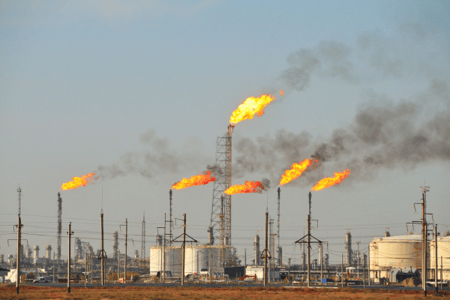
Rules on emissions, water use and waste management keep tightening, and compliance costs keep climbing. Early adopters of cleaner practices tend to avoid penalties and hold on to their reputation with regulators and the public. Demonstrating genuine environmental responsibility also builds the customer trust that supports long-term success.
9. The Shift Toward Natural Gas
Natural gas burns cleaner than coal or oil, which is why it is widely treated as the bridge fuel of the energy transition. The United States leads global output, LNG terminals are expanding worldwide, and demand keeps rising as countries look to secure energy independence while cutting carbon. For gas-reliant industries, that means reliable fuel — and reliable power generation — through the transition years.
10. Investment in Renewable Energy Ventures
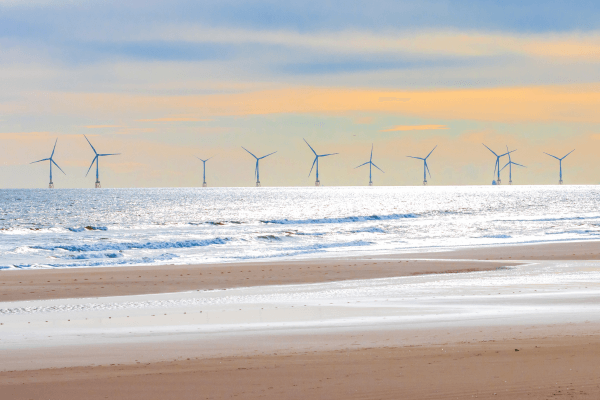
Rather than replacing their core business overnight, many oil and gas producers are folding offshore wind, solar, green hydrogen and energy storage into a broader energy mix. This spreads risk, supports ESG commitments and positions them to supply cleaner energy as demand for it grows.
What This Means for Power Equipment Buyers
Every one of these trends points the same way: oil and gas facilities need power equipment that is dependable, efficient and supported for the long haul. Whether it is standby power for a processing plant, prime power for a remote drilling operation or genuine spare parts to keep critical engines running, the cost of downtime only goes up as operations get more sophisticated.
Feblet Technologies supplies British-designed diesel generators with Perkins, Cummins and Volvo engines, genuine spare parts and industrial equipment support for the oil & gas, energy and chemical sectors — shipped internationally with proven logistics. Talk to our team about a power and parts strategy that keeps pace with where the industry is heading.